Your own garden, yes. The street, no.
The Netherlands is stricter about this than many countries, and almost nothing is written about it in English. Here is where the line runs, without legal jargon, from a company that installs these cameras every week.
The rule
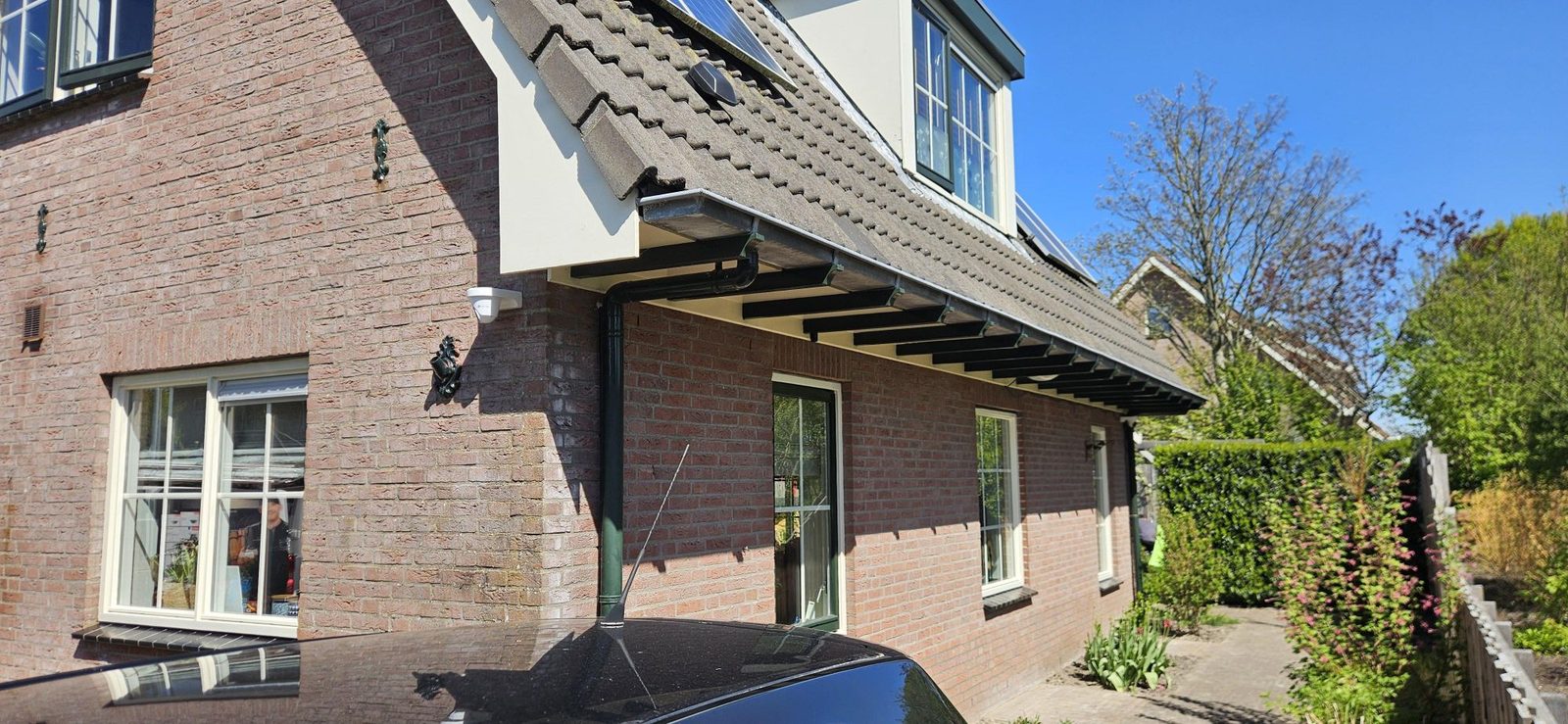
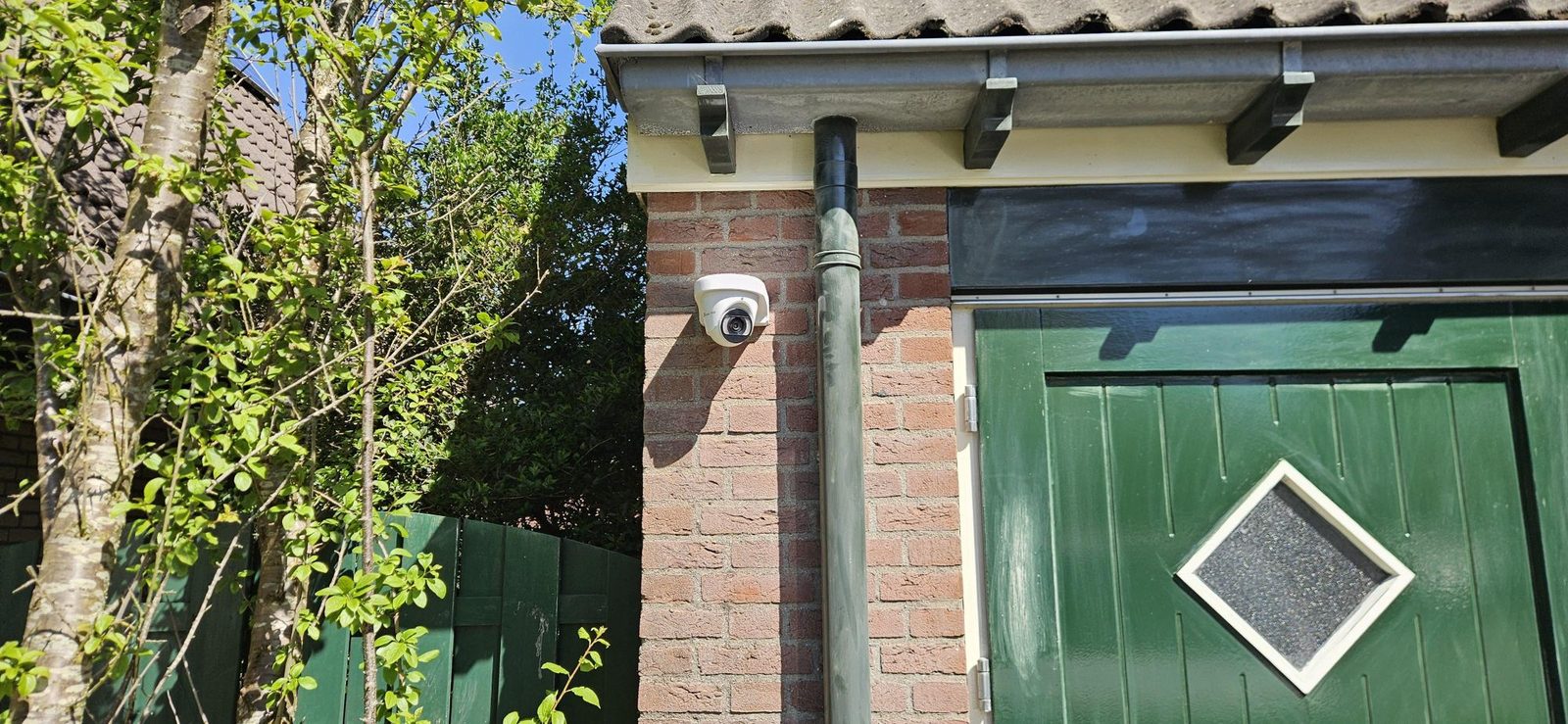
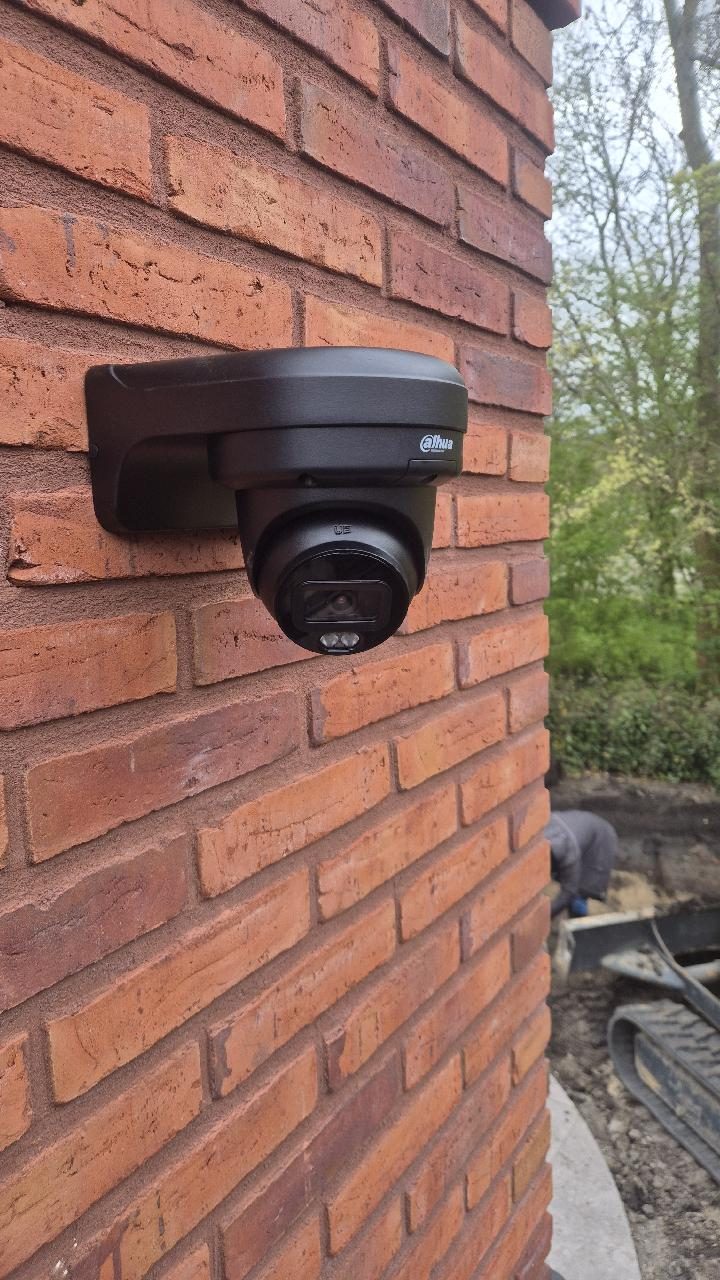
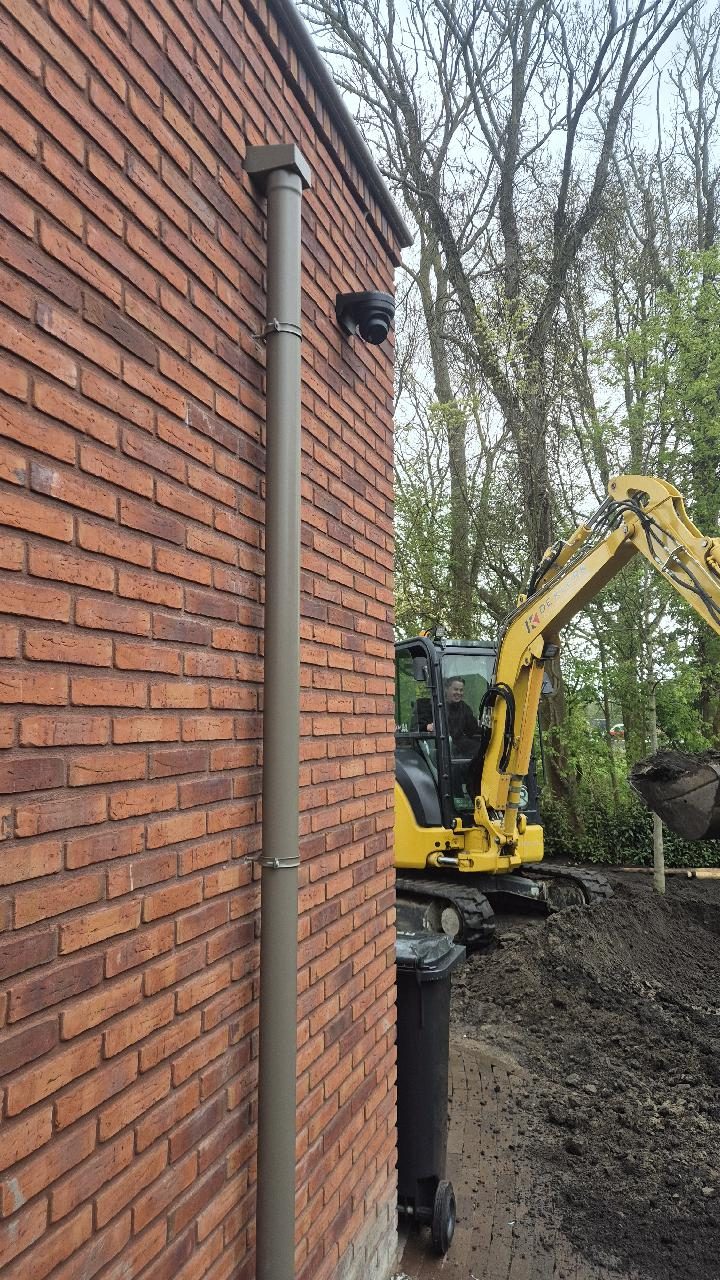
A camera on your own home, filming your own garden, drive or front door, is allowed — it falls under the GDPR household exemption. Deliberately filming the public road or a neighbour’s property removes that exemption and the full privacy law then applies to you. Masking the parts that are not yours keeps you on the right side of it.
You do not need to keep a register, appoint anyone or sign any agreement. This is why a camera at a home is so much simpler than one at a business.
Then the GDPR applies to you in full: a proper reason, informing people, and handling requests for access or deletion. Note the word deliberately — a strip of pavement that comes along because your drive meets the road is not the same as a camera aimed at the street.
Where the line runs in practice
We meet this every week. Five situations and how they work out.
| Situation | Allowed? | What we do |
|---|---|---|
| Camera above the front door, covering your own path | Yes, without question | Just fit it |
| Camera on the drive, a strip of pavement comes along | Accepted in practice | Set the field of view as narrow as possible |
| Camera overlooking the whole street | No, not as household use | Aim it differently or mask it |
| Camera with a view of the neighbours’ garden or windows | No | Mask that part of the image digitally |
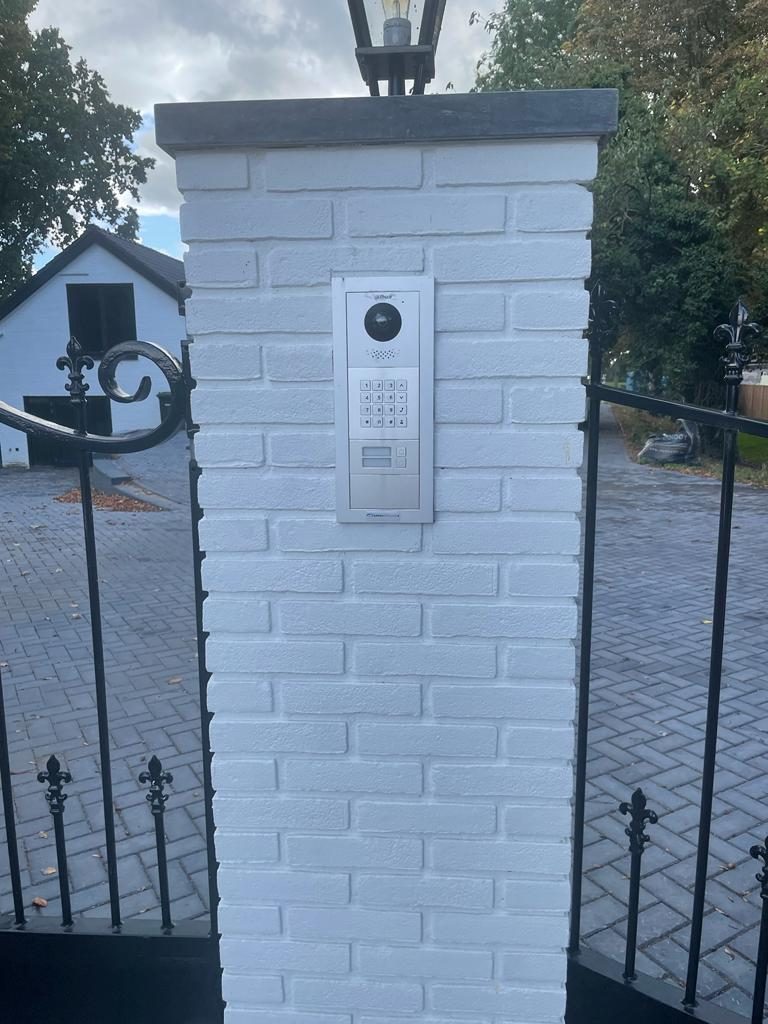
| Video doorbell that catches the house opposite | Grey area | Adjust the field of view and mask if needed |
“Nine times out of ten it is fixed by turning the camera fifteen degrees. People think it is a legal problem. It is usually a mounting problem.”Our fitters, on cameras and neighbour disputes
What to agree with your neighbours
Most conflicts about cameras are not about the law. They are about the feeling of being watched, and you solve that with a conversation rather than an article of the GDPR. This matters more here than you might think: Dutch houses are close together and neighbours tend to raise things directly.
- Mention it beforehand
A short message over the fence saying a camera is coming and what it looks at prevents most of the trouble. People mind surprises more than cameras.
- Show them the picture once
If your neighbour sees their garden blacked out on screen, the discussion is over. Five minutes, and it saves years of awkwardness.
- Put what you agreed in writing
Not a contract — a message is enough. “The camera looks at our drive, your garden is masked.” Then there is no misunderstanding later.
- If a complaint does come, respond
Someone asking for footage they appear in usually has a right to it. Go round and show them. Ignore it and it ends up with the Autoriteit Persoonsgegevens, the Dutch Data Protection Authority.
Video doorbells: the honest answer
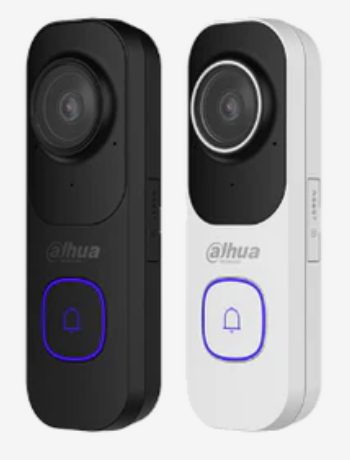
Video doorbells are the most common camera in the Netherlands and the one people worry about least, which is slightly the wrong way round.
- A doorbell looks outward by definition. In a Dutch terraced street that often means the pavement, and sometimes the front of the house opposite.
- Narrow the view. Most doorbells let you limit the area that triggers and records. Use it.
- Mask the house opposite. If your neighbour’s front door is in shot, black it out. It costs nothing and removes the whole discussion.
- Do not point it down the street. A doorbell that watches who walks past is no longer a doorbell.
- Keep recordings short. A doorbell generates a lot of footage of people who did nothing but walk by.
Get those four right and a doorbell is the least contentious camera you can own — and the most useful, because it answers a question you have every week rather than once a decade.
How long to keep footage, and what to do with it
There is no fixed number of days in the law for a private home. The principle is that you keep it no longer than you need it.
| Question | Practical answer |
|---|---|
| How long should I keep recordings? | Seven to fourteen days is normal. Long enough to notice something happened while you were away. |
| Where is it stored? | On a recorder in your own home. Not in a cloud you pay for monthly. |
| Something happened. What first? | Save that clip separately before the loop overwrites it. |
| Who do I give it to? | The police, with your report. Not the neighbourhood WhatsApp group. |
| Can I post it online? | No. Publishing footage of an identifiable person is a separate problem and a serious one. |
The last row catches people out. Feeling wronged does not give you the right to publish someone’s face.
Frequently asked
Can I put a security camera on my house in the Netherlands?
Yes, as long as it films your own property. A camera at your own home aimed at your own garden, drive or front door falls under what the GDPR calls the household exemption, and the heavy obligations of the privacy law do not apply to you.
Can my camera film the street?
Not deliberately. The moment you point a camera at the public road, the pavement or someone else’s property, the household exemption falls away and the full GDPR applies to you: you need a proper reason, you must inform people, and you must handle requests for access or deletion. A sliver of pavement that happens to be in shot because your drive meets the road is a different matter from a camera aimed at the street.
What about my neighbours’ garden?
No. If part of the image covers next door’s garden or windows, that part should be masked. Masking means the camera does not record it at all — the area simply does not exist in the footage. We do this at installation.
Do I have to tell people there is a camera?
For a camera on your own property, filming only your own property, no sign is required. If your camera does cover ground that is not yours, you are in the territory where informing people becomes an obligation — which is a good reason to keep the view on your own land.
What about a video doorbell?
Grey area, and honestly so. A doorbell by definition looks outward, and in a Dutch street that often means the pavement or the house opposite. Keep the field of view as narrow as it can be, and mask what does not need to be there. In practice this is rarely a problem if you have not aimed it across the road.
How long may I keep the footage?
The law does not name a number of days for a private home; the principle is that you keep it no longer than you need. In practice seven to fourteen days is normal and sensible — long enough to notice something happened while you were away, short enough to be defensible. We set this with you at handover.
A neighbour asks to see footage they appear in. Do I have to show them?
If your camera is covering ground beyond your own, they generally do have a right to it. The practical answer is simpler than the legal one: go round and show them. Refusing turns a conversation into a complaint to the Dutch Data Protection Authority, and nobody wants that.
Can I hand footage to the police?
Yes, and you should if something has happened. Report it (in Dutch: aangifte) and say you have footage. Save the relevant clip separately first — recordings loop and old material is overwritten. Give it to the police rather than posting it in a neighbourhood group.
Read on
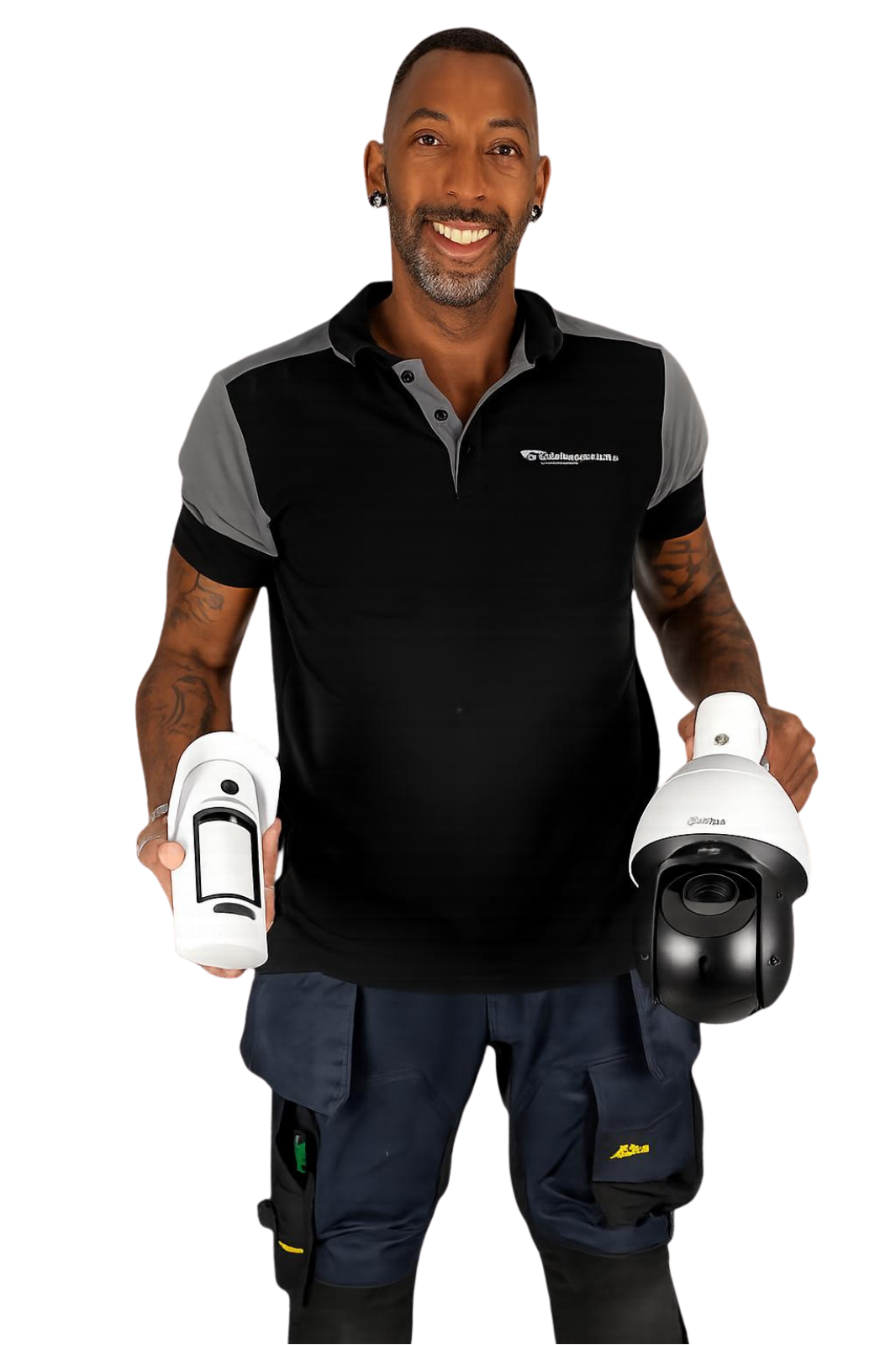
This page comes from our own installations at people’s homes across the Netherlands, not from a brochure. veiligergevoel.nl is the consumer brand of CameraInstallatie.nl, a security specialist since 1999. We speak English on site and on the phone.
We sort this out before we drill
At every installation we show you on your phone what the camera sees before it is fixed to the wall. If there is too much street or too much neighbour in the picture, we turn it.