Three little stars on your lock. Here is what they mean.
Every Dutch insurer, landlord and locksmith talks about SKG, and nobody explains it to people who grew up with a different system. This page does, including the part we earn nothing from.
What do the SKG stars on a Dutch lock mean?
SKG is the Dutch test mark for locks, hinges and cylinders. The stars tell you how long a part held out against a break-in attempt in the lab: one star is basic, two stars is the normal level for a home, three stars is heavier. The Police Quality Mark for Secure Housing asks for at least two stars on every door and window that can be reached.
| Marking | What it means | Where it belongs |
|---|---|---|
| SKG* | Basic resistance | Inside doors, a shed you do not care much about |
| SKG** | Holds out longer; the level most Dutch advice is based on | Back door, garden door, sliding doors, reachable windows |
| SKG*** | Heavy duty, also used in business premises | A front door on the street, or a house that has been targeted before |
The rating belongs to one part. A two-star cylinder behind a thin escutcheon plate is not a two-star door.
If you come from the UK you may know BS 3621, and from Germany the DIN classes. The idea is the same: a tested part with a visible mark. The Dutch mark sits on the face of the cylinder, right next to the keyhole.
Find the stars on your own door
This takes five minutes with a torch. Start at the rear, because that is where people actually get in.
Look at the face of the cylinder
The stars and the letters SKG are stamped next to the keyhole. No marking at all usually means no rating at all.
Check whether it sticks out
A cylinder that stands proud of the plate by more than a few millimetres gives a tool something to grip. It should sit flush, or behind a protective cover.
Look at the plate around it
A security plate is bolted through from the inside, with no screws visible from outside. Screws you can see on the outside are a weak point.
Count the doors that matter
Garden door, sliding doors, the door from the garage into the house, and the window above the flat roof of the extension. Reachable means reachable without a ladder.
Why a lock from before about 2010 is the real problem
There is a method burglars use here called core pulling (kerntrekken). The cylinder is gripped from outside and pulled out of the door in one go. It is quick and fairly quiet. Older cylinders have no answer to it.
The pattern we see most in Dutch homes: a smart new front door, and at the back the cylinder that came with the house. If nothing has been done to the locks since the house was built or last renovated, assume the back door needs a locksmith. How often that door gets tried depends on where you live: the crime rate check shows home burglaries for your town and neighbourhood.
“People ask me which camera to buy and the garden door still has the lock from when the house went up. I tell them to call a locksmith first. The camera can wait a week.”Our fitters, on what they find behind Dutch houses
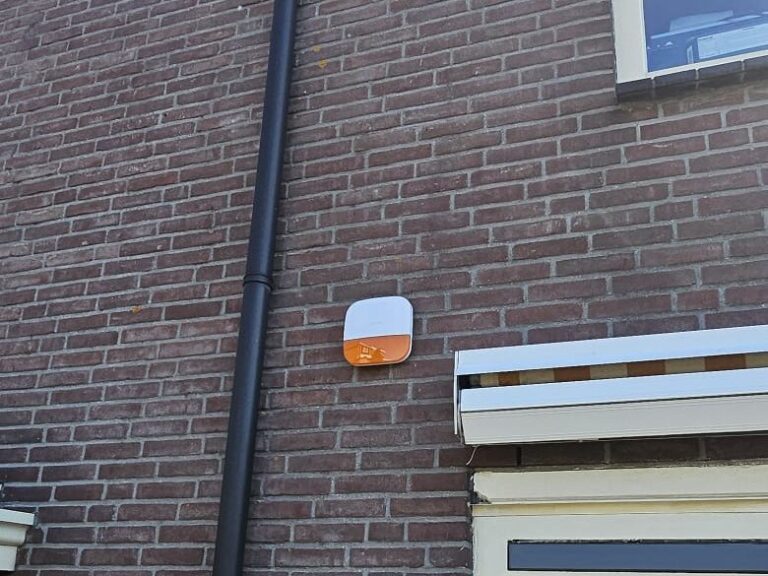
Your own alarm, with the price up front.
You choose which doors and windows to protect. Every detector you add is priced straight away, including VAT and installation, with no monthly contract. Smoke and water detectors go on the same system.
Where you start the smallest set
 Alarm hub1×
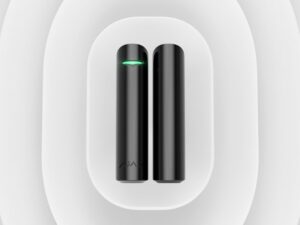 Door and window contact2×
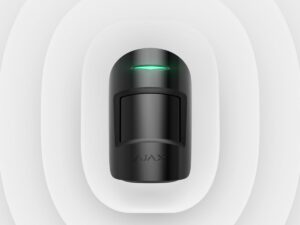 Motion detector1×
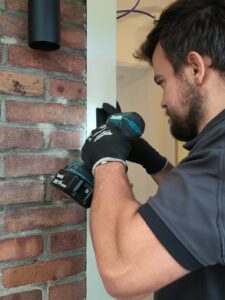 Fitted and set up by our installerincluded
Want to click it together yourself? Build your alarm (the tool is in Dutch, the prices are the same).
Or WhatsApp us. A quote within 24 hours, and you are not tied to anything.
What does a Dutch insurer ask for after a burglary?
Read your contents policy for two things. First, whether burglary is only covered with visible signs of forced entry, which is common in the Netherlands. Second, whether approved locks are a condition. Some insurers also give a discount, often between 5 and 15 percent, if your home has the Police Quality Mark. There is no national rule; every insurer decides.
- Signs of forced entry. In Dutch policies this is braaksporen. A door left on the latch, or a key under the mat, is often not covered.
- Report it to the police. The insurer wants the report number. Call 112 if someone is still there, otherwise 0900 8844 or the online form on politie.nl.
- Keep the receipts for your locks. If approved hardware is a condition, you need to be able to show it was there.
- Ask before you buy. A discount of 10 percent on a premium of a couple of hundred euros a year is welcome, and it is not a reason on its own to spend a thousand on locks. Do it because better locks work.
In Dutch: Politiekeurmerk Veilig Wonen. It asks for approved locks on reachable doors and windows, light at the outside doors and a way to see your visitor before opening up. Since 1 July 2026 SKG-IKOB runs the scheme, which used to be with Kiwa. Our Dutch page has a four-question check.
If you rent, the door is not yours
When you rent, the outside door belongs to the building owner. Swapping a cylinder is a change you can undo, and inside your own front door Dutch tenancy law generally leaves room for that. Still tell your landlord, and keep the original so it can go back in when you leave. What your landlord does have to provide is a smoke alarm on every floor, under the Dutch smoke alarm law.
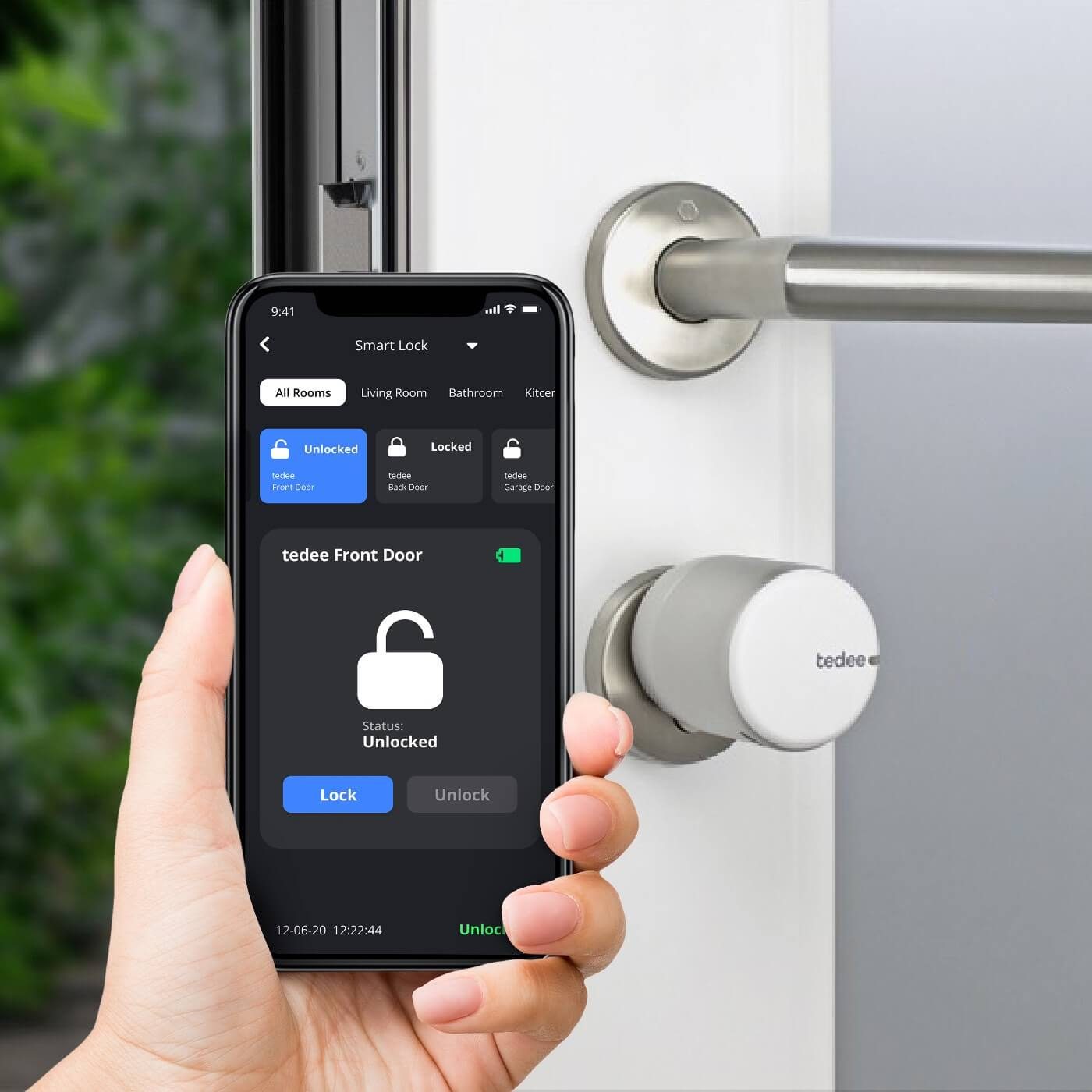
A smart lock is the other route renters like. It clamps onto the cylinder you already have and can be removed without leaving a mark. It solves keys, for a cleaner or a visiting parent, and it does nothing for strength: the resistance still comes from the cylinder underneath. Put it on a good cylinder, not instead of one.
Where this comes from
The star levels and the cylinder advice match our Dutch page on locks, which we wrote first. Policy wording differs per insurer, so the insurance part tells you what to look for rather than promising an outcome.
Sources
- SKG-IKOB, Keurmerken voor hang- en sluitwerk, consulted October 2026. Open the source
- Politiekeurmerk Veilig Wonen, Eisen voor bestaande woningen, consulted October 2026. Open the source
- Kifid (Dutch financial complaints institute), Ruling 2019-718 on theft cover and signs of forced entry, 2019. Open the source
Frequently asked
Is an SKG lock compulsory in the Netherlands?
No law makes it compulsory for an existing home. It becomes a condition when you want the Police Quality Mark for Secure Housing, and some insurers write approved locks into their policy terms. New homes are built to a burglary resistance standard, so a recent new-build door usually has approved hardware already.
Which is better, two stars or three?
Two stars is the sensible level for every door and window someone can reach without a ladder. Three stars is heavier and makes sense on a front door right on the street, or where the risk is higher. A three-star cylinder in a weak frame still loses, so look at the whole door.
Can I change the lock in a rented flat?
Usually yes, as long as you can undo it. Tell your landlord, keep the original cylinder and put it back when you move out. Some landlords need a key for emergencies, and a building with a master key system may not allow a different cylinder at all.
Does my insurer pay if there is no damage to the door?
It depends on your policy. Many Dutch contents policies only cover burglary when there are visible signs of forced entry. A cylinder pulled out in seconds still leaves damage, but a door that was simply left unlocked often does not count. Read the word braaksporen in your policy: that is the clause.
Who fits SKG locks?
A locksmith. We do not sell or fit locks ourselves, and we say so on purpose. We often find the weak cylinder while we are there for a camera or alarm, and then we tell you to fix that first.
Read on
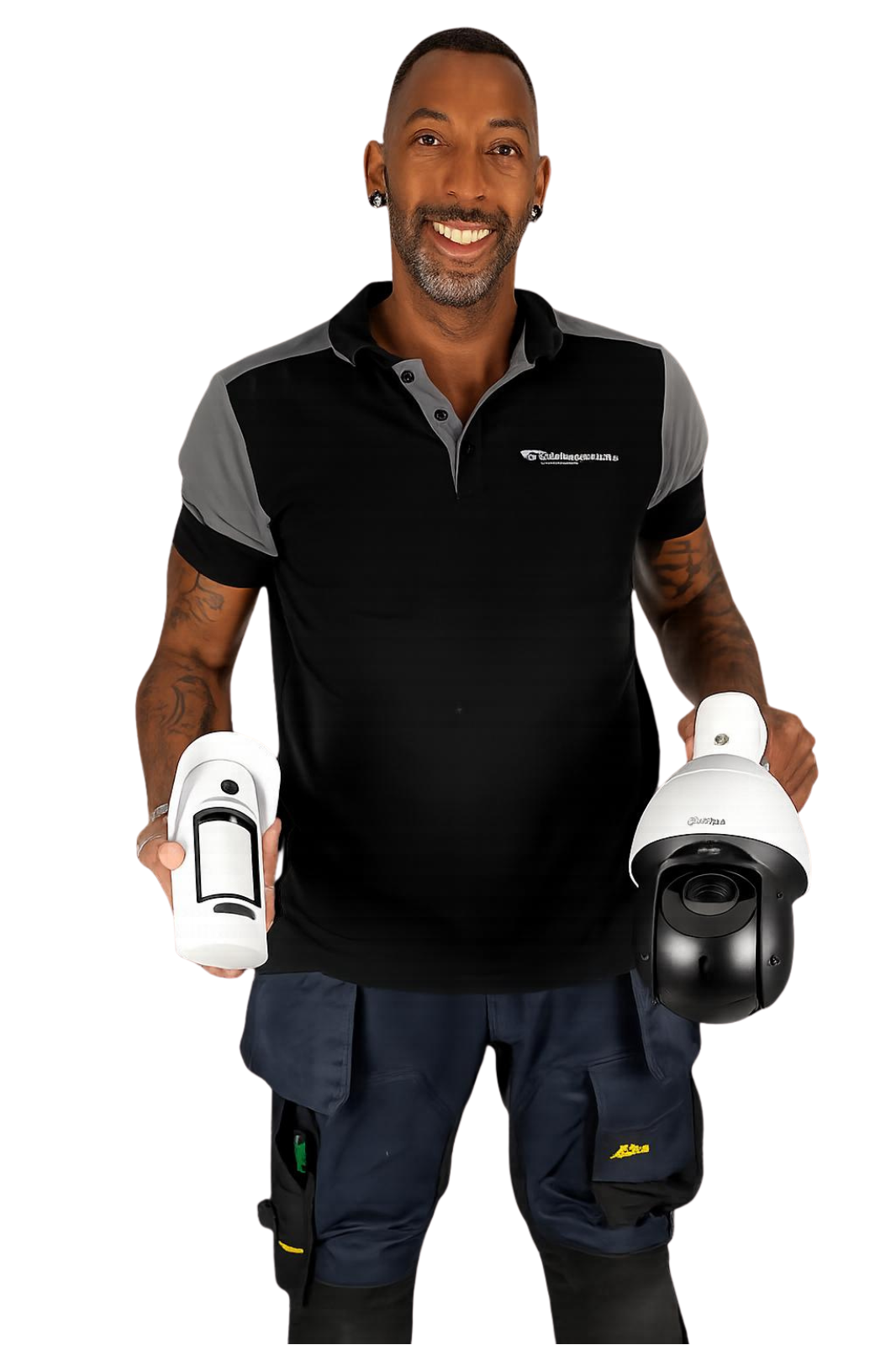
This page comes from our own installations at people’s homes across the Netherlands, not from a brochure. veiligergevoel.nl is the consumer brand of CameraInstallatie.nl, a security specialist since 1999. We speak English on site and on the phone.
Want someone to walk around the house with you?
We look at the doors and windows as well as the spots for a camera or alarm, and we tell you where a locksmith does more than we can. No obligation, in English.