Your home, secured. Explained in English.
Cameras, alarms, a video doorbell or a smart lock. We come and look, tell you honestly what you do and do not need, and fit it properly. No monthly contract — the system is yours.
Where to start
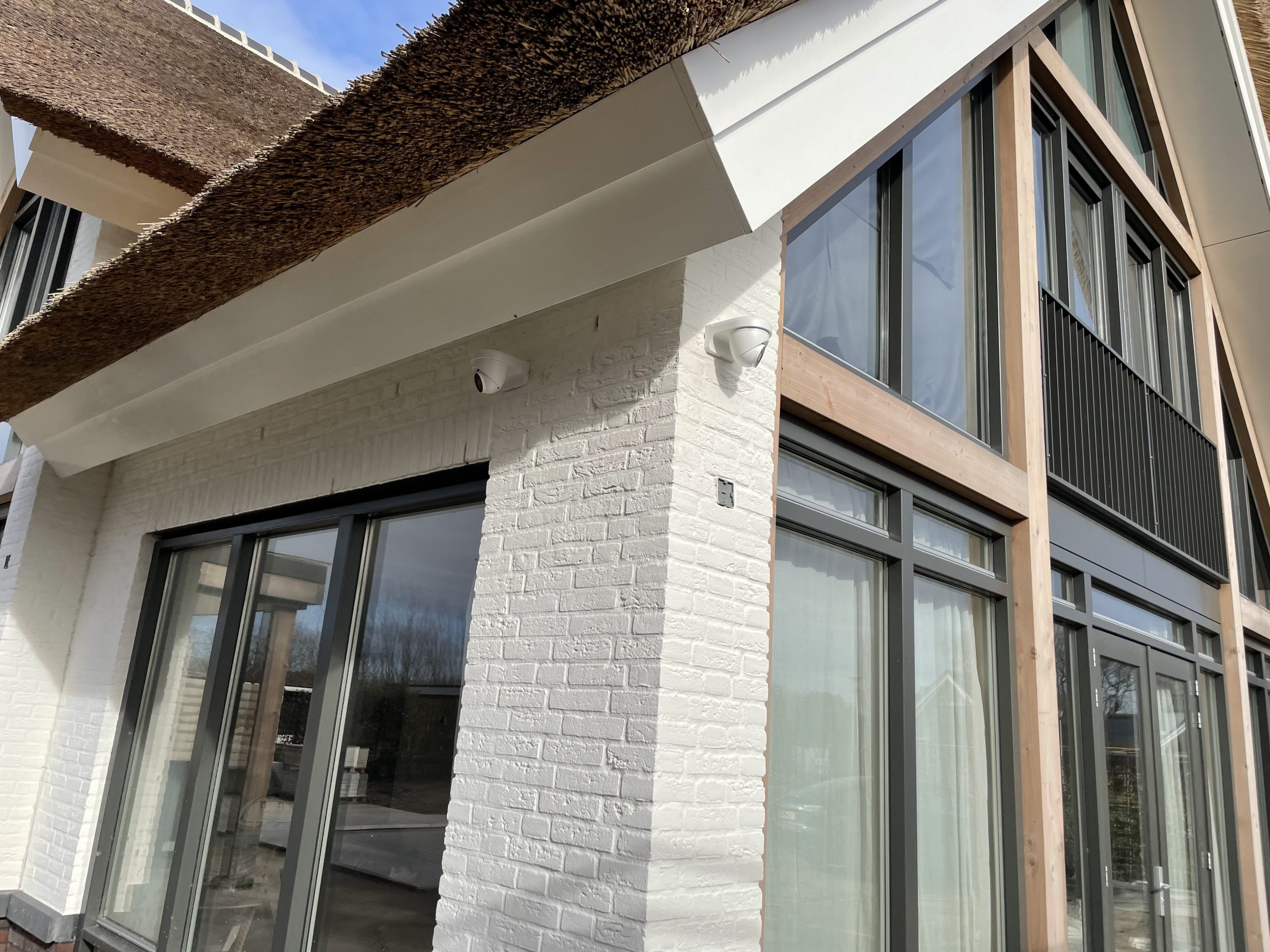
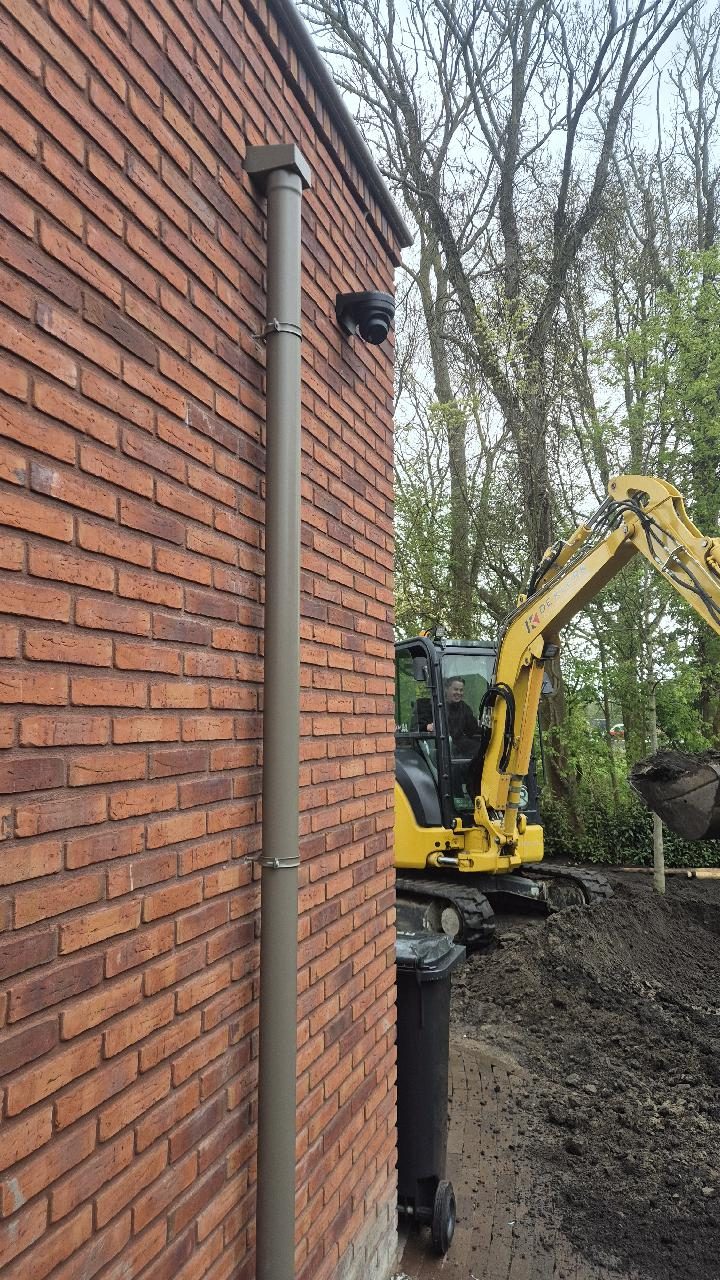
Start with the back of the house, not the front. In a Dutch home the weak point is almost always the rear: large glass doors, and a back garden reachable from a shared path that nobody overlooks. Good lighting and decent locks there cost under €100 and do more than any camera. Cameras and alarms come after that.
Most people arrive at this question the wrong way round. They start with “which camera should I buy” and end up with equipment that watches the wrong side of the house.
First: where would someone actually get in?
Walk around your own home once, in the dark. Look for the side nobody can see from the street. In a Dutch terraced house that is the back garden; in a flat it is the shared entrance or the storage box in the basement.
Second: light and locks
An outdoor light with a motion sensor costs between €25 and €80 and is the single cheapest thing that works. Decent locks on the back door come next. Neither of these is exciting and both beat a fifth camera.
Third: knowing who is at the door
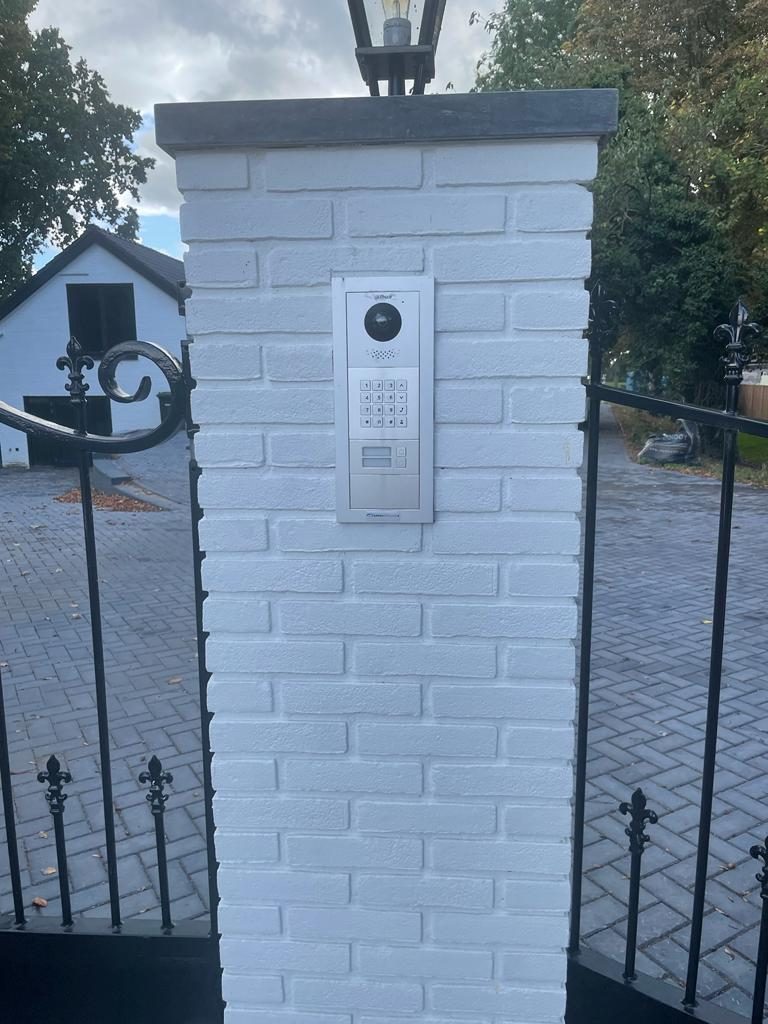
A video doorbell answers the question people actually have every week, which is not “was I burgled” but “who is ringing my bell while I am at work”. From €899 including fitting.
Fourth, and only then: cameras or an alarm
And be clear which one you want. A camera lets you look back. An alarm warns you now. People who confuse the two are disappointed afterwards.
What is different about a Dutch home
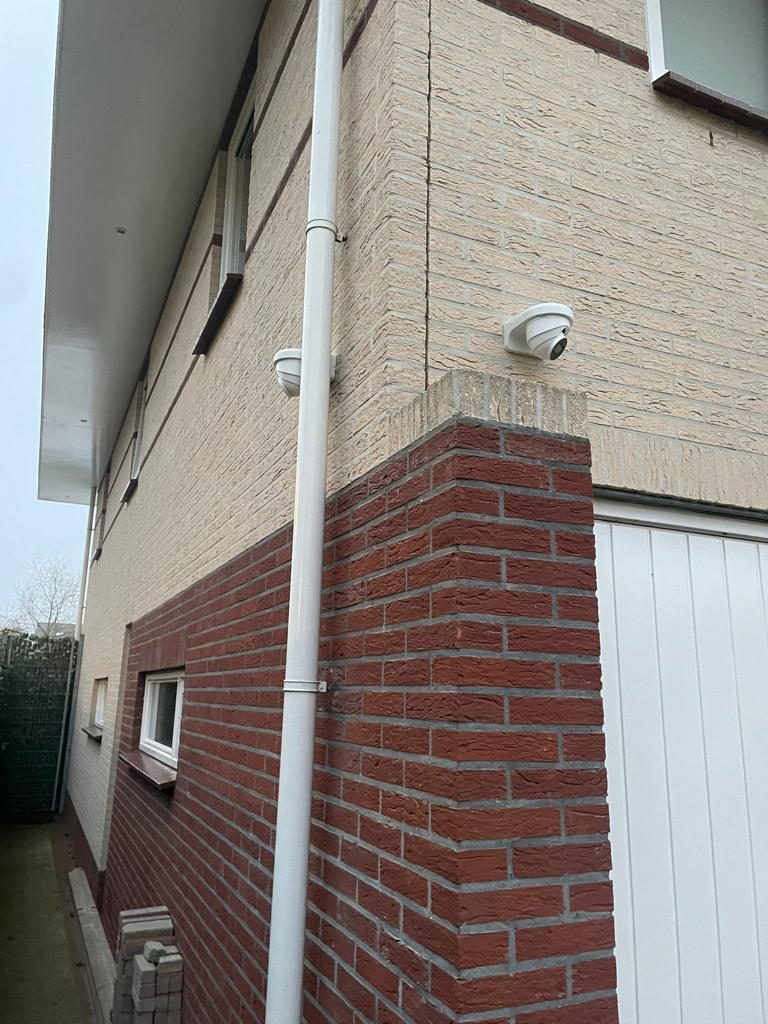
If you have lived elsewhere, a few things here will not match your instincts.
| What you notice | Why it matters |
|---|---|
| A lot of glass, often to the floor at the rear | Dutch houses are built to let light in. That is lovely, and it is also the easiest way in. |
| Back gardens on a shared path or alley | Common in terraced streets. Nobody overlooks it, which is exactly why the back door matters more than the front. |
| Homes are close together | Good for social control, awkward for cameras — you cannot simply film in every direction. See the rules below. |
| Bicycles are a real target | A shed or storage box with an expensive bike in it is worth securing on its own. |
| Flats have shared entrances and storage boxes | The front door of the building is not your front door. The basement storage box is where things quietly disappear. |
| Front rooms are often uncurtained in the evening | A local habit, and a real one: you can see straight in. Worth thinking about what is on display. |
None of this is a warning. It is simply what our fitters see every week, and it explains why the standard advice from another country does not transfer one to one.
What you are allowed to film
This is where the Netherlands is stricter than many people expect, and it is the single most useful thing on this page.
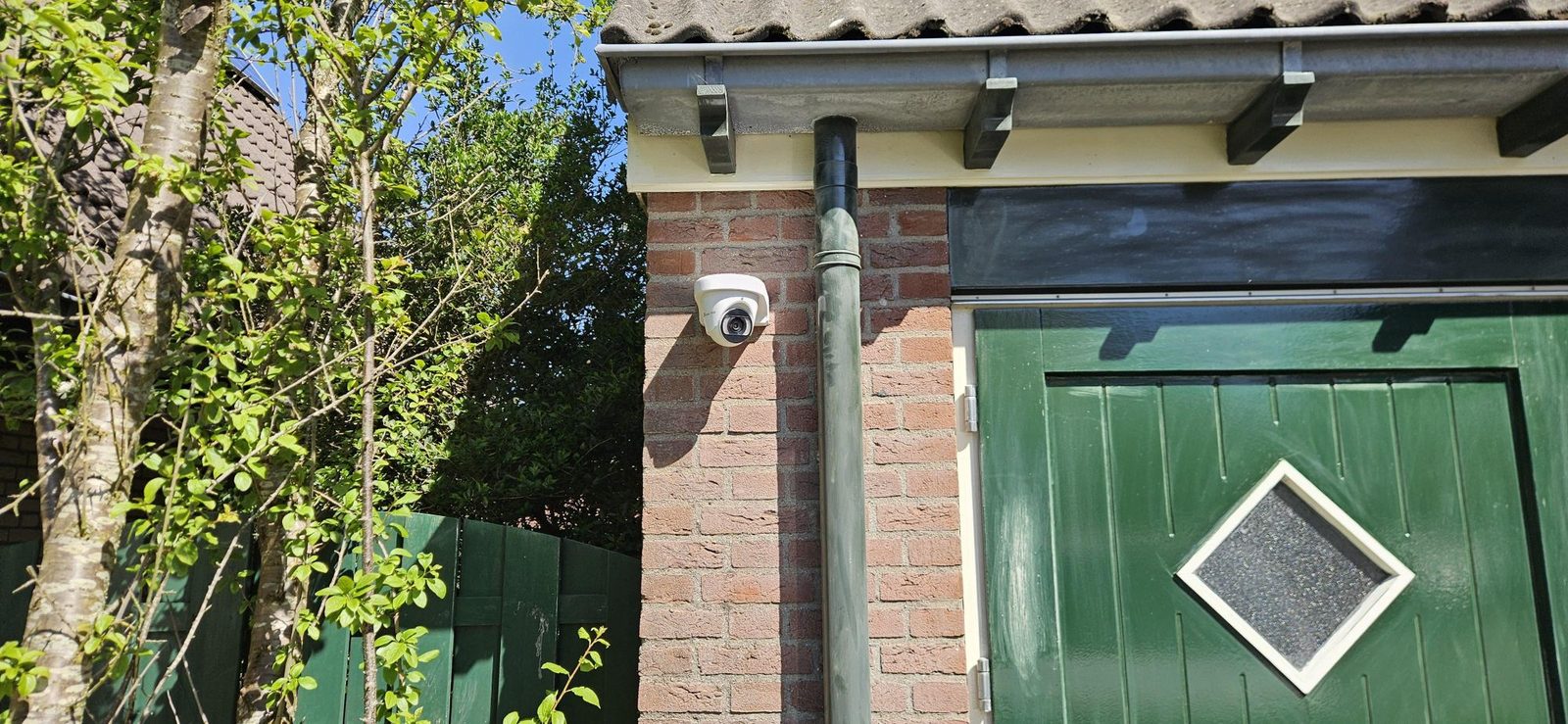
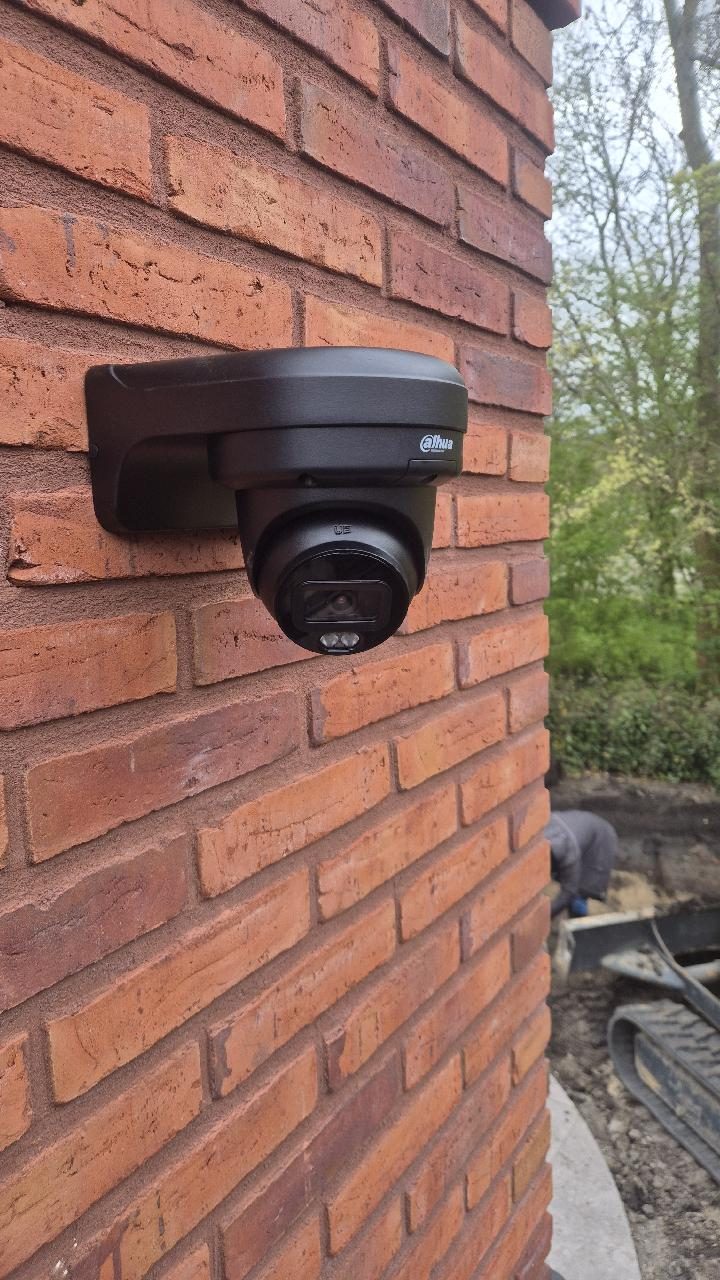
In practice, nine out of ten problems are solved by turning the camera fifteen degrees, or by masking part of the image so that it is never recorded at all. We do that as standard before we drill anything, and we show you on your phone what the camera sees while it is still in our hand.
If you rent
Roughly half the people who contact us in English are renting, and almost all of them assume they can do nothing. That is usually wrong.
- Inside your home is your own business
Indoor cameras, sensors and detectors are yours to place. Your landlord has no say over the inside of a rented home, and is not allowed to film inside it either.
- The outside belongs to the landlord
The facade, the front door and the shared entrance are the building owner’s. Anything screwed to the outside needs permission. Ask in writing; most landlords agree once they hear no cabling will be visible.
- A video doorbell often needs no new holes
If there is an existing bell push with wiring behind it, a wired video doorbell usually goes in its place. That is the single most useful thing a renter can install.
- A smart lock is reversible
It fits over your existing cylinder and comes off again when you leave, without altering the door. Handy if you have cleaners, guests or family with keys.
- Take it with you when you move
Because you bought it, it is yours. We tell you at the visit which parts move house with you and which do not.
What it costs
We publish our prices, which is less common in this trade than it should be. Everything below includes 21% Dutch VAT and installation by our own fitters.
| What | From | Included |
|---|---|---|
| One camera | €1,199 | Camera, recorder, cabling, fitting, set-up |
| Two cameras | €1,499 | Same, two positions |
| Three cameras | €2,149 | Typical for a terraced house |
| Four cameras | €2,549 | Front, back and both sides |
| Five cameras | €3,695 | Larger house or a separate outbuilding |
| Six cameras | €4,579 | |
| Seven cameras | €4,899 | |
| Eight cameras | €4,999 | Large property or two buildings |
| Burglar alarm | €899 | Panel, detectors, app, no subscription |
| Video doorbell or intercom | €899 | On existing bell wiring where possible |
Starting prices. What you actually pay depends on how the cabling can run — a house still being built is a day’s work; a finished house with an awkward crawl space is not. We check that on site and put it in the quote, not afterwards.
How it works with us
- You call, WhatsApp or leave your number
In English. You get an adviser, not a call centre. You hear from us within 24 hours.
- We come and look, free of charge
We walk around the house with you, point at the weak spots and say plainly what we would and would not do. If the answer is that a doorbell is enough, we say so.
- You get a quote with everything in it
In English on request. Equipment, cabling, fitting and setting up, with no line items appearing later.
- We fit it, usually in a day
Our own fitters, on our payroll, trained and safety certified. Cabling out of sight wherever it can be.
- We set it up with you before we leave
Which camera notifies you about what, at which times, to whose phone. That quarter of an hour decides whether you still have it switched on in a year.
Frequently asked
I have just moved to the Netherlands. Is my home safe?
Statistically, yes — burglary in the Netherlands has fallen a long way over the past twenty years. But two things surprise most newcomers. Dutch homes have a lot of glass, often right down to the ground at the back, and back gardens are usually reachable from a shared path or alley that is not visible from the street. That back side is where nearly everything happens.
Do I need to speak Dutch to arrange this?
No. Our advisers and our fitters speak English, on the phone and at your door. You will get the quote in English if you ask for it. This is normal for us — a large part of our work is in Amsterdam, Amstelveen, Almere and Utrecht, where plenty of households do not speak Dutch.
Is there a subscription, like in other countries?
Not with us. You buy the system and it is yours. The footage is stored on a recorder in your own home, not in a cloud you pay for monthly. If you want a monitoring centre on top of that, it is possible and it is optional — we connect to every monitoring centre in the Netherlands, so you are never locked to one supplier.
I rent. Can I install anything at all?
Usually more than you expect. A video doorbell on the existing bell wiring rarely needs new holes, and a smart lock fits your existing door. Anything that touches the facade needs your landlord’s permission — in the Netherlands the landlord owns the outside of the building even when you rent the inside. We look at what can be done without altering anything permanent.
Does my insurance need this?
Ask your insurer before you buy. Some Dutch policies give a discount for approved prevention measures; most do not require a camera at all. Be careful with any company that tells you an alarm is compulsory for insurance — for an ordinary home, it usually is not.
What does it cost?
Our camera packages run from €1,199 for one camera to €4,999 for eight, and alarms start at €899. Those figures include 21% Dutch VAT and installation by our own fitters. There is no charge for the visit or the advice.
Read on
Crime rate by town and neighbourhood
Police figures for every Dutch municipality: crime, burglary and bike theft.
Camera rules and privacy
What you may film, what you may not, and what to agree with your neighbours.
This page comes from our own installations at people’s homes across the Netherlands, not from a brochure. veiligergevoel.nl is the consumer brand of CameraInstallatie.nl, a security specialist since 1999. We speak English on site and on the phone.
Shall we come and take a look?
Free, no obligation, and in English. We will tell you honestly if you need less than you think.